A do-it-yourself longevity routine — a sleep-tracking wearable, an over-the-counter glucose monitor, a direct-to-consumer blood panel, creatine, and some gym or training time — typically runs about $50 to $150 a month in ongoing costs, on top of roughly $200 to $900 a year in one-time or occasional items like device hardware, scans, and panels. None of it requires a clinic membership, and most of the list is optional.
Here's what the budget actually breaks down into, ranked by how much evidence backs the item's effect on your health rather than by price:
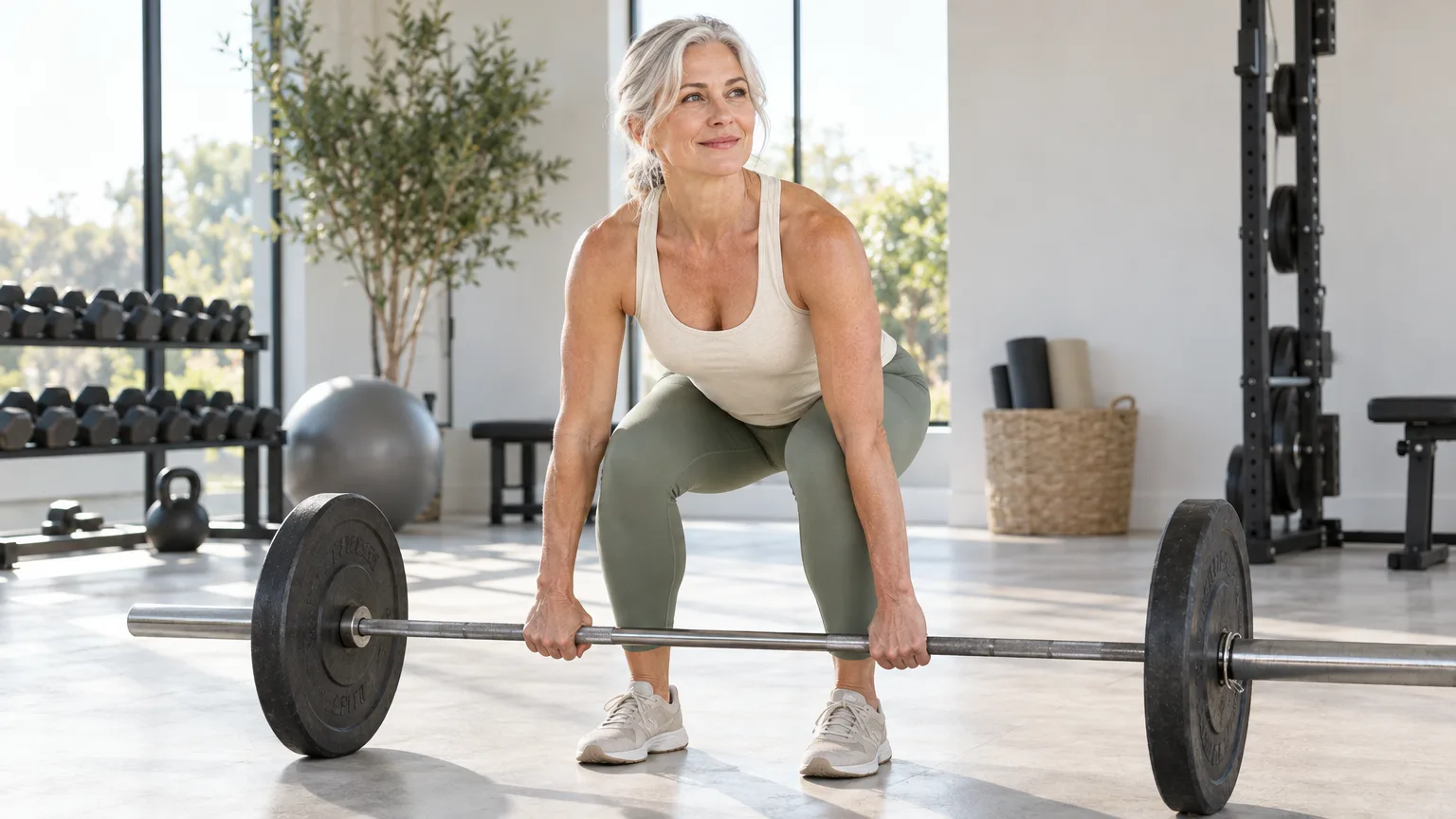
- Resistance training (gym or trainer) — $10 to $70/mo for a basic membership, or $35 to $125+ per session with a trainer. The best-evidenced, least-optional item on this list.
- Creatine monohydrate — $4 to $15/mo. Cheap, and its best evidence comes specifically from pairing it with resistance training, not taking it alone.
- A direct-to-consumer blood panel (ApoB, hs-CRP, HbA1c) — $190 to $215 per draw, typically once or twice a year. The markers themselves are well-established; ordering the panel yourself is the part worth being clear-eyed about.
- A sleep/recovery wearable — $5.99 to $6.99/mo (plus a $349-$399 ring, one time) or $199-$359/yr for an all-in-one band. Useful for tracking your own trends; thin on evidence that wearing one changes a hard health outcome.
- A DEXA or similar body-composition scan — $40 to $250 per scan, a few times a year at most. Good body-composition data, usually duplicating information a cheaper tape measurement gets you most of the way to.
- An over-the-counter continuous glucose monitor (CGM) — $49 to $99 per two-week sensor, so roughly $90-$200/mo if worn continuously. The most expensive-per-month item here, and the one with the least evidence behind it for someone who isn't diabetic.
What belongs on this list, and why
None of these six items requires a longevity clinic, a membership program, or a clinician visit to buy. That's the whole premise of "skipping the clinic" — you can purchase every one of them directly, the way you'd buy a home blood-pressure cuff. What changes is how much each one is actually worth paying for, which is a different question from whether you can buy it.
A basic gym membership or a handful of trainer sessions sits at the top for a simple reason: resistance training is the one habit on this list with the most consistent evidence behind an actual outcome (strength and lean mass, not just a number on a dashboard) and it's also the cheapest entry point — a $10-a-month membership and your own bodyweight is enough to start. Creatine is the next-cheapest, best-evidenced add-on, but specifically when paired with that training, not as a standalone supplement.
A direct-to-consumer blood panel buys you real numbers — ApoB, hs-CRP, HbA1c — that are useful markers in the cardiovascular literature. But "the marker is well-studied" and "paying $200 to order it yourself is the best way to get it" are two different claims; a standard annual physical often includes a cholesterol panel and HbA1c already, and the add-on cost here is mainly for ApoB and hs-CRP specifically, plus skipping a waiting room.
A sleep and recovery wearable is the most popular item on this list and the hardest to put a single price on, because the ring-style hardware and band-style all-in-one subscriptions are priced completely differently. Either way, what you're paying for is your own trend data — are you sleeping more or less than last month, is your resting heart rate drifting — which is a legitimately useful thing to track and a different thing from a device that's been shown to change a health outcome on its own.
A body-composition scan and an over-the-counter CGM are the two priciest-per-use items, and also the two with the thinnest evidence for someone who isn't managing diabetes or doesn't have a specific reason to track body composition precisely. Both can be informative; neither is a product category the research below treats as improving your health just by being used.
What the research says
The clearest evidence on this list belongs to resistance training paired with creatine. A 2017 meta-analysis pooling 22 randomized trials and 721 older adults (mean age 57 to 70) found that creatine supplementation added to resistance training, compared with resistance training alone, produced significantly greater gains in lean tissue mass (about 1.4 kg more) and in chest- and leg-press strength over 7 to 52 weeks of training two to three times a week.¹ That's a real, replicated effect — but it's the effect of creatine during resistance training specifically, not evidence that creatine alone, without the training, does much of anything.
ApoB sits on firmer ground as a risk marker than as a product to buy. A 2019 narrative review in JAMA Cardiology laid out why apolipoprotein B — the one molecule carried by every atherogenic lipoprotein particle — more accurately reflects cardiovascular risk than LDL cholesterol or non-HDL cholesterol, because it's the number of particles trapped in the artery wall that drives disease, not how much cholesterol each one happens to be carrying.² That's a strong case for ApoB as a number worth knowing. It isn't a case for any particular panel vendor, and it says nothing about whether ordering your own ApoB test, rather than asking your regular clinician to add it to a routine lipid panel, changes anything about your care.
The weakest evidence on this list belongs to over-the-counter CGM for people who don't have diabetes. A 2025 systematic review noted that continuous glucose monitoring, originally built for diabetes management, has recently been marketed to healthy non-diabetic people for cardiovascular prevention and lifestyle feedback — but concluded that data in this population are scarce and "the effect on cardiovascular outcomes is unclear."³ Wearing the device and seeing your glucose curve react to a meal is real information; whether that information translates into a measurably healthier outcome for someone without diabetes is still an open question, not a demonstrated result.
What you can do this week
- Start with the cheapest, best-evidenced line item. A basic gym membership plus two or three sessions a week of resistance training has the clearest evidence of any item on this list, and it's also the least expensive one to start.
- Get a free estimate before paying for a scan. Pallas's free body-fat calculator gives a tape-measurement-based estimate of your body composition in under a minute — a reasonable first check before paying $40 to $250 for a DEXA scan to track the same general trend.
- Ask what your next physical already covers before adding a paid panel. A standard annual physical often already includes a cholesterol panel and HbA1c; ask what's included before paying separately for a direct-to-consumer panel that may duplicate part of it.
Skipping the clinic doesn't mean skipping clinical judgment — it means paying out of pocket for things you could otherwise get through a checkup, at a price and on a timeline you control. The research behind these six items supports treating them as unequal in value, not treating "longevity routine" as a single bundle you either buy or don't.