Start online and meet your provider
Step
1
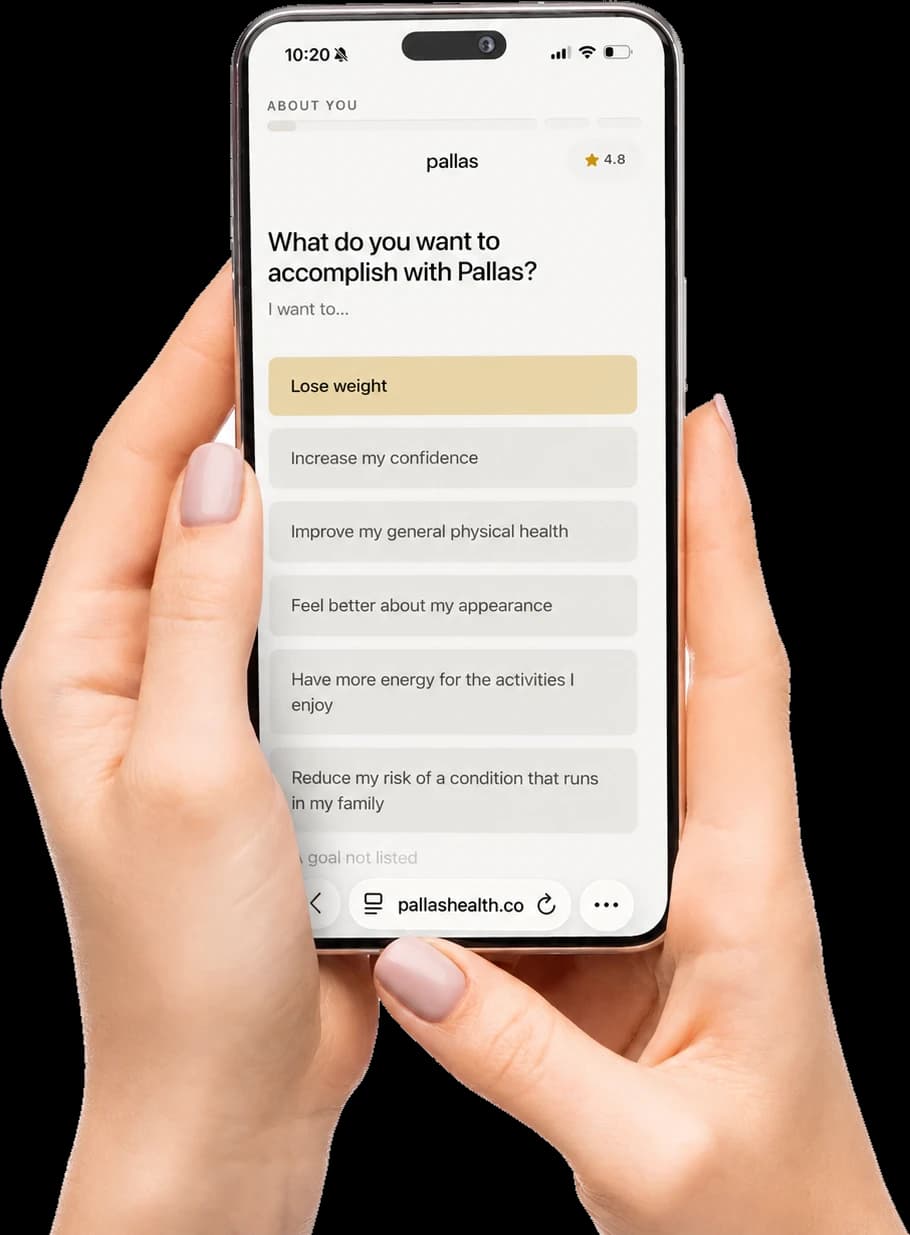
Answer a few questions about your health and goals — about two minutes. A licensed provider reviews everything 100% online.
Skincare · For women in perimenopause and menopause
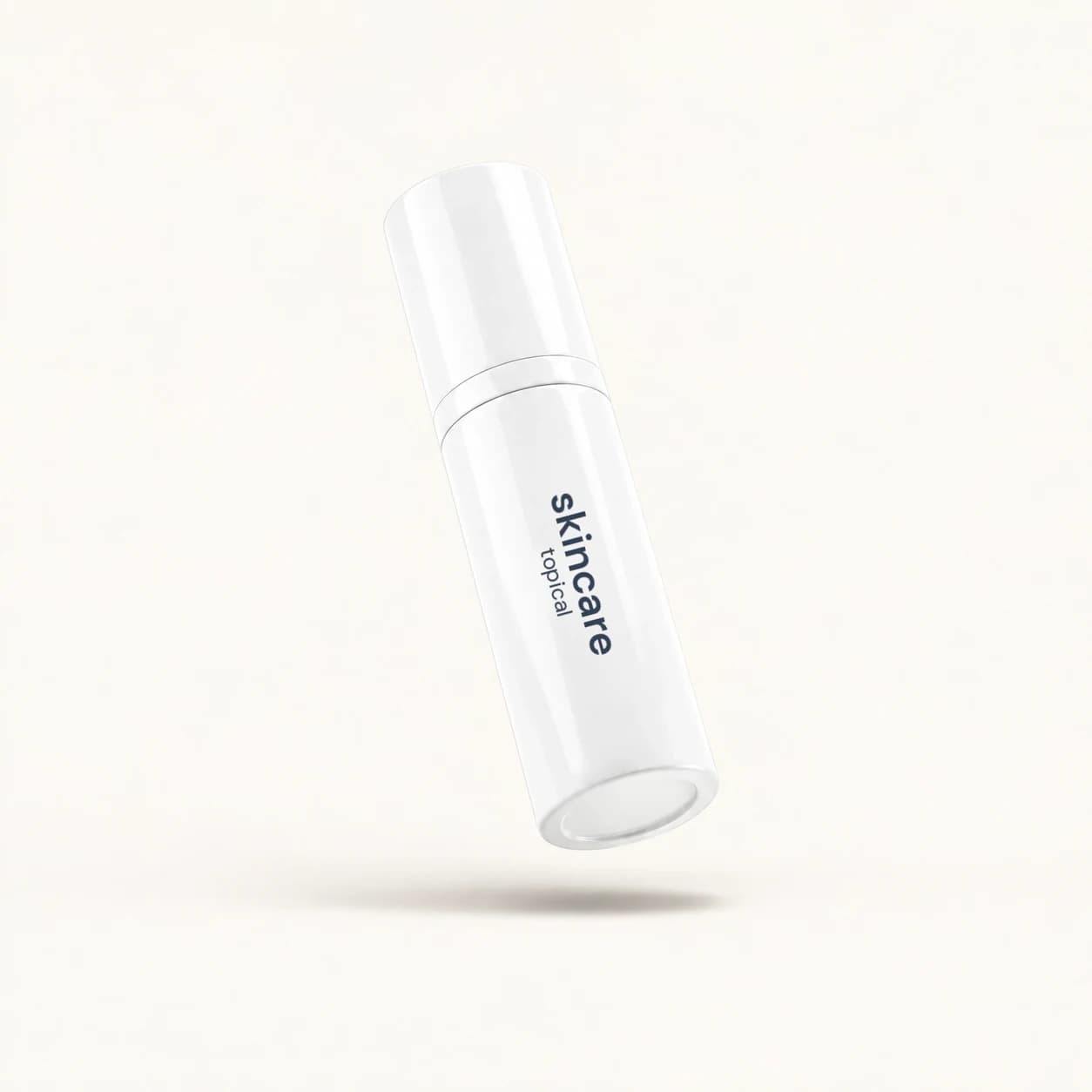
An anti-aging face cream with estriol, tretinoin, and niacinamide. Prescribed for the drier, thinner, less elastic skin that comes as estrogen falls.
Plan, provider care included · Cancel anytime
Estriol face cream
$69/mo
Nothing is charged until a clinician prescribes.
Estrogen levels fall at menopause, and skin changes with them. Estriol is an estrogen; in this cream it is compounded with tretinoin, a retinoid, and niacinamide, and applied to the face. One plan price covers your clinician, ongoing check-ins, care-team messaging, and your cream: 30 g every 4 weeks, shipped free.
A compounded prescription anti-aging cream for the face that combines estriol 0.3% (an estrogen), tretinoin 0.01% (a retinoid), and niacinamide (a form of vitamin B3). It is prescribed for women in perimenopause and menopause, for the drier, thinner, less elastic skin that comes as estrogen falls.
Women in perimenopause or menopause. It isn't right for everyone: estriol is an estrogen, so a history of breast or another hormone-sensitive cancer, blood clots, or stroke, and pregnancy or breastfeeding, are things your clinician weighs before prescribing.
One price with provider care included, and nothing is charged until a clinician prescribes. Estriol face cream is $69 every 4 weeks and renews until you cancel.
Complete a short online intake about your skin and your health history. A US-licensed clinician reviews it and, if appropriate, prescribes the cream. A partner pharmacy compounds it and ships it to your door every 4 weeks.

What is estriol face cream
After menopause, with less estrogen, skin tends to become thinner and drier, with less collagen and less elasticity 1. Estriol is one of the estrogens the body makes. In this cream it is compounded with tretinoin, a retinoid that promotes the shedding of surface skin cells 2, and niacinamide, a form of vitamin B3, and prescribed for women in perimenopause and menopause.
Hormones aren't right for everyone, and research on estrogen creams for facial skin is limited.
What's in it
What it's prescribed for

Perimenopause and menopause — skin tends to become thinner and drier as estrogen falls 1.

Estriol, tretinoin, and niacinamide, compounded into one face cream.

One step in your evening routine, with your care team a message away.
Answer a few questions about your health and goals — about two minutes. A licensed provider reviews everything 100% online.
If eligible, your provider writes a prescription and medication ships free and discreet from a US-licensed pharmacy — often within a week.
We stay with you the whole way, with regular check-ins and on-demand messaging with your care team.


Pharmacy & safety
Your cream is compounded for you once it's prescribed, with a new 30 g fill every 4 weeks.
A compounded prescription anti-aging cream for the face that combines estriol 0.3% (an estrogen), tretinoin 0.01% (a retinoid), and niacinamide (a form of vitamin B3). It is prescribed for women in perimenopause and menopause, for the drier, thinner, less elastic skin that comes as estrogen falls.
Women in perimenopause or menopause. It isn't right for everyone: estriol is an estrogen, so a history of breast or another hormone-sensitive cancer, blood clots, or stroke, and pregnancy or breastfeeding, are things your clinician weighs before prescribing.
One price with provider care included, and nothing is charged until a clinician prescribes. Estriol face cream is $69 every 4 weeks and renews until you cancel.
Complete a short online intake about your skin and your health history. A US-licensed clinician reviews it and, if appropriate, prescribes the cream. A partner pharmacy compounds it and ships it to your door every 4 weeks.
It comes in one strength: estriol 0.3% and tretinoin 0.01%, with niacinamide. If your clinician thinks a different cream fits your skin better, they can prescribe that instead.
No. This is a face cream, prescribed for skin. It is not a treatment for hot flashes, night sweats, or other menopause symptoms, and it is not the vaginal estriol cream. Hormone therapy is a separate Pallas program.
Follow the directions on your prescription label. A tretinoin cream is usually applied at night to clean, dry skin, with sunscreen every morning. Message your care team with any question about fitting it into your routine.
Estriol is an estrogen. Estrogen therapy carries known risks, including blood clots, stroke, and certain cancers, so tell your clinician about your full health history, including any hormone-sensitive condition. Tretinoin can make skin more sensitive to the sun, so daily sunscreen is part of using this cream. It is generally avoided during pregnancy and breastfeeding; tell your clinician if you're pregnant, breastfeeding, or trying to conceive, and they'll decide whether it's appropriate. Some dryness, redness, or peeling is common in the first weeks, and your care team is a message away.
No. It is compounded per patient by a state-licensed US compounding pharmacy, and compounded hormone preparations are not FDA-approved. Compounding combines estriol, tretinoin, and niacinamide in one cream.
No. Photos are optional. After checkout you can add up to three (front, left, and right) from the Documents page of your Pallas portal, and only your clinician and care team see them.
From our members
Feedback from Pallas members across our programs.
Quotes from Pallas members, shared with permission; names abbreviated for privacy. Testimonials reflect individual experiences — individual results vary.
Start your visit
How skin changes when estrogen falls after menopause is from the review cited below; the tretinoin facts are from MedlinePlus's drug information for tretinoin topical. Research on estriol applied to facial skin is limited, and nothing on this page is a promise of a result. This cream is compounded per patient by a US-licensed pharmacy, and compounded hormone preparations are not FDA-approved.