


Start online and meet your provider
Step
1
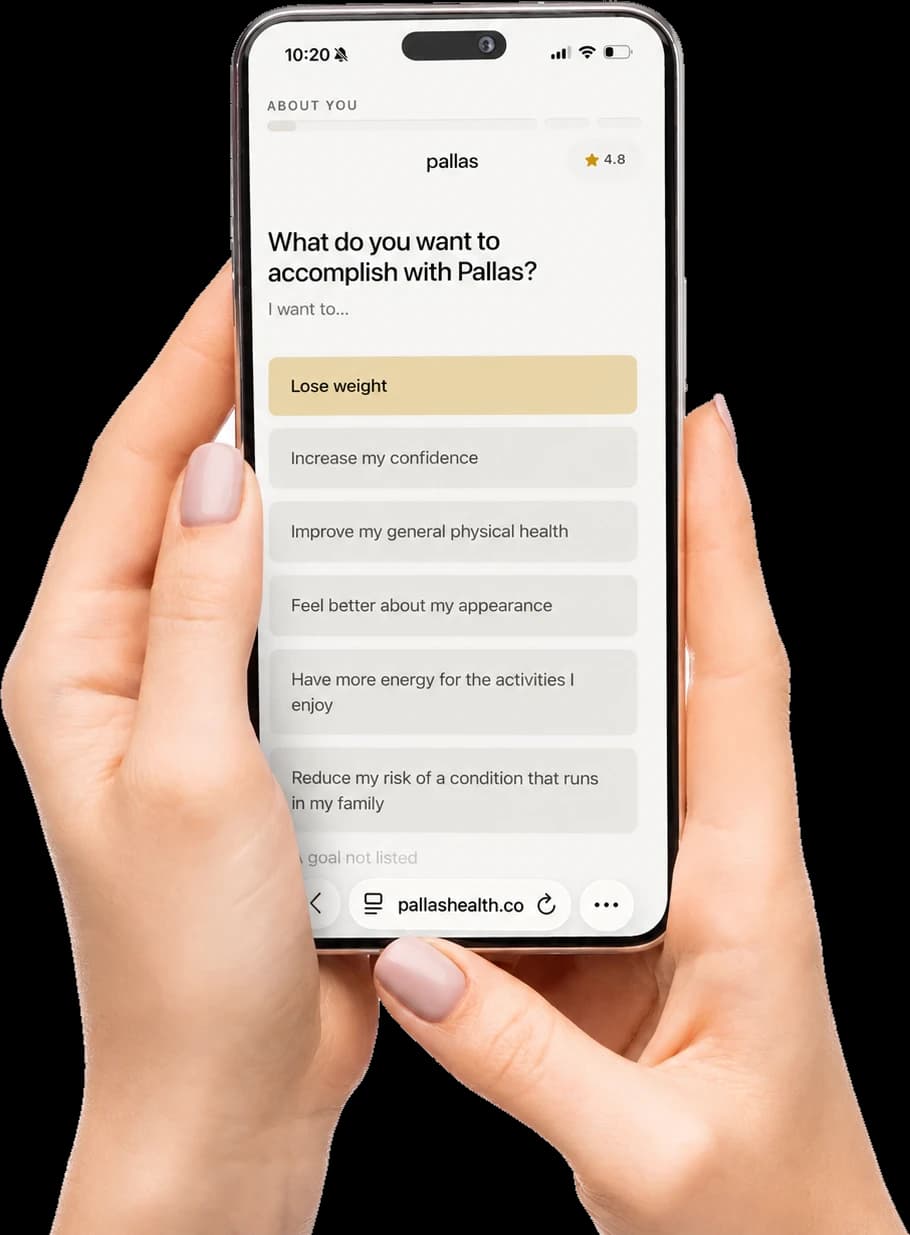
Answer a few questions about your health and goals — about two minutes. A licensed provider reviews everything 100% online.
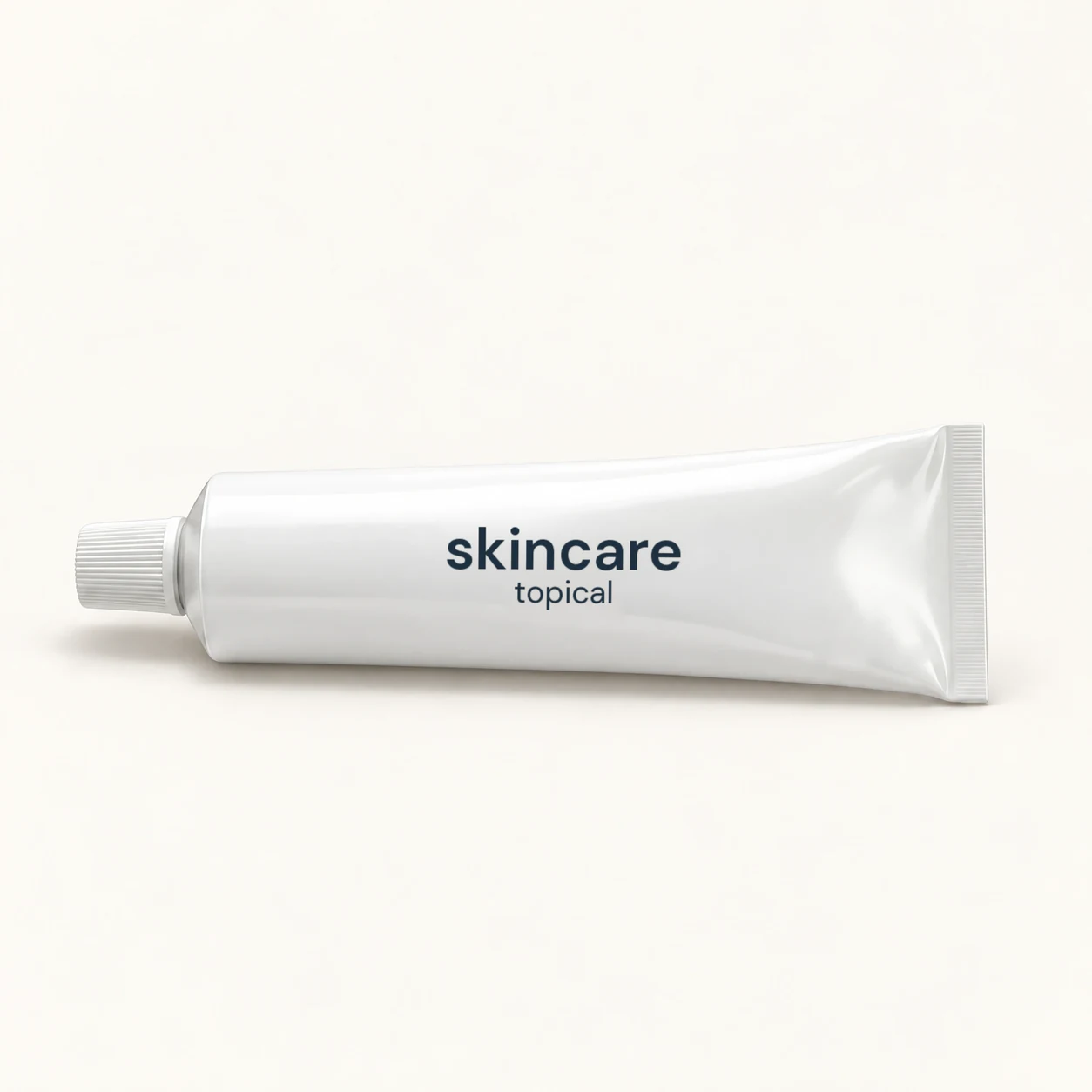
Skincare · Compounded prescription cream
Tretinoin with niacinamide 2%, prescribed for acne, fine lines, uneven tone, and rough, sun-aged skin. Three strengths: tretinoin 0.025%, 0.05%, or 0.1%.
Plan, provider care included · Cancel anytime
Tretinoin cream
$79/mo
Nothing is charged until a clinician prescribes.
Tretinoin is a retinoid, a prescription form of vitamin A that dermatologists have prescribed for decades for acne and for fine lines and rough, sun-damaged skin. Pallas's cream is compounded with niacinamide. One plan price covers your clinician, ongoing check-ins, care-team messaging, and your cream: 30 g every 4 weeks, shipped free.
Tretinoin is a retinoid, a prescription form of vitamin A applied to the skin. Dermatologists have prescribed it for decades for acne and for fine lines and rough, sun-damaged skin. At Pallas it's a compounded cream with niacinamide.
Adults with acne or breakouts, fine lines, uneven texture, or sun-damaged skin who want a prescription cream rather than an over-the-counter retinol. It isn't right for everyone: pregnancy, breastfeeding, and certain skin conditions or allergies are part of every review.
One price with provider care included, and nothing is charged until a clinician prescribes. Tretinoin cream is $79 every 4 weeks and renews until you cancel.
Complete a short online intake about your skin and your health history. A US-licensed clinician reviews it and, if appropriate, prescribes the cream. A partner pharmacy compounds it and ships it to your door every 4 weeks.
What is tretinoin
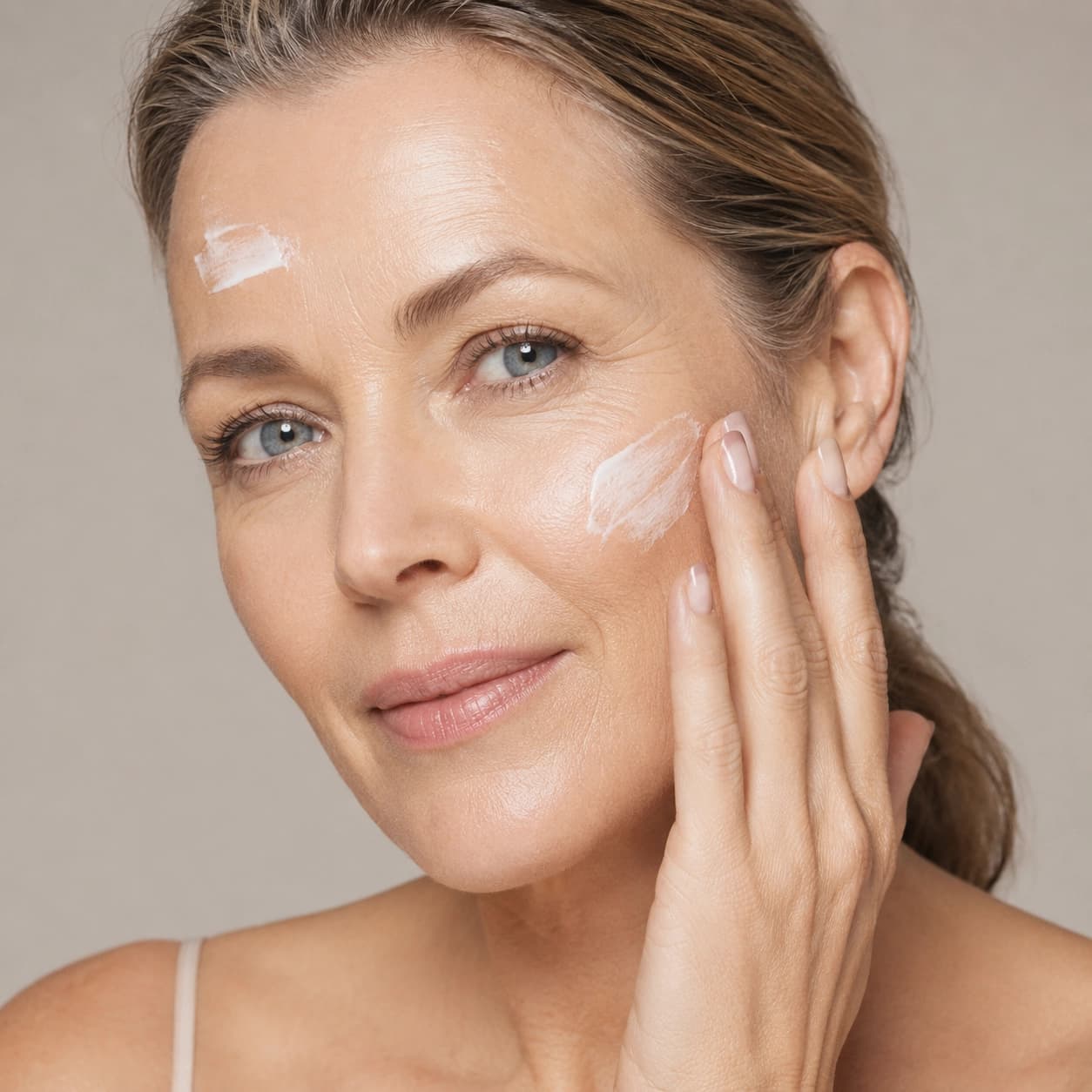
Tretinoin is a prescription form of vitamin A. Applied to the skin, it promotes the shedding of surface skin cells and helps unclog pores, which is why it is prescribed for acne, and for fine wrinkles, spotty discoloration, and rough-feeling skin 1. Pallas's cream pairs tretinoin with niacinamide, a form of vitamin B3.
What's in it
A retinoid. It promotes the shedding of surface skin cells and helps unclog pores 1.
A form of vitamin B3, used in skincare to support the skin barrier.
Compounded in three strengths: tretinoin 0.025%, 0.05%, or 0.1%. Your strength can change as your skin adjusts.
What the research says
In a 24-week trial of 296 adults with sun-damaged facial skin, 68% of those using a tretinoin 0.05% cream were rated improved, against 43% of those using the same cream without tretinoin; fine wrinkling, uneven brown spots, and roughness improved more with tretinoin 2. A second 24-week trial of 251 adults found 79% against 48% 3, and a trial of 204 adults found greater improvement than placebo over up to two years 4. The first trial also tested lower strengths, 0.01% and 0.001%, and found them no different from the cream without tretinoin 2. These trials tested one manufacturer's tretinoin cream at the strengths named; Pallas's compounded cream has not been tested in trials, and results vary.
In a small biopsy study of 29 adults with sun-damaged skin, 10 to 12 months of tretinoin 0.1% cream increased the formation of collagen I by 80%, against a 14% decrease with the cream base 5.
What it's prescribed for
Answer a few questions about your health and goals — about two minutes. A licensed provider reviews everything 100% online.
If eligible, your provider writes a prescription and medication ships free and discreet from a US-licensed pharmacy — often within a week.
We stay with you the whole way, with regular check-ins and on-demand messaging with your care team.


Pharmacy & safety
Your cream is compounded for you once it's prescribed, with a new 30 g fill every 4 weeks.
Tretinoin is a retinoid, a prescription form of vitamin A applied to the skin. Dermatologists have prescribed it for decades for acne and for fine lines and rough, sun-damaged skin. At Pallas it's a compounded cream with niacinamide.
Adults with acne or breakouts, fine lines, uneven texture, or sun-damaged skin who want a prescription cream rather than an over-the-counter retinol. It isn't right for everyone: pregnancy, breastfeeding, and certain skin conditions or allergies are part of every review.
One price with provider care included, and nothing is charged until a clinician prescribes. Tretinoin cream is $79 every 4 weeks and renews until you cancel.
Complete a short online intake about your skin and your health history. A US-licensed clinician reviews it and, if appropriate, prescribes the cream. A partner pharmacy compounds it and ships it to your door every 4 weeks.
Your clinician decides. The cream is compounded in three strengths: tretinoin 0.025%, 0.05%, or 0.1%, each with niacinamide 2%. The clinician chooses where you start based on your skin, your history, and whether you've used tretinoin before, and can adjust it later.
Follow the directions on your prescription label. A tretinoin cream is usually applied at night to clean, dry skin, with sunscreen every morning. Message your care team with any question about fitting it into your routine.
Tretinoin can make skin more sensitive to the sun, so daily sunscreen is part of using this cream. It is generally avoided during pregnancy and breastfeeding; tell your clinician if you're pregnant, breastfeeding, or trying to conceive, and they'll decide whether it's appropriate. Some dryness, redness, or peeling is common in the first weeks, and your care team is a message away.
No. It is compounded per patient by a state-licensed US compounding pharmacy, and compounded skincare preparations are not FDA-approved. Compounding pairs tretinoin with niacinamide in a strength chosen for you.
No. Photos are optional. After checkout you can add up to three (front, left, and right) from the Documents page of your Pallas portal, and only your clinician and care team see them.
From our members
Feedback from Pallas members across our programs.
Quotes from Pallas members, shared with permission; names abbreviated for privacy. Testimonials reflect individual experiences — individual results vary.
Start your visit
The class facts on this page — that tretinoin is a retinoid used to treat acne and to reduce fine wrinkles, spotty discoloration, and rough-feeling skin, and that it can make skin sensitive to sunlight — are from MedlinePlus's drug information for tretinoin topical. The trials in "What the research says" studied one manufacturer's FDA-approved tretinoin cream at the strengths named; they describe that product, not Pallas's cream, and nothing on this page is a promise of a result. Pallas's tretinoin cream is compounded per patient with niacinamide by a US-licensed pharmacy, and compounded preparations are not FDA-approved.