
Start online and meet your provider
Step
1
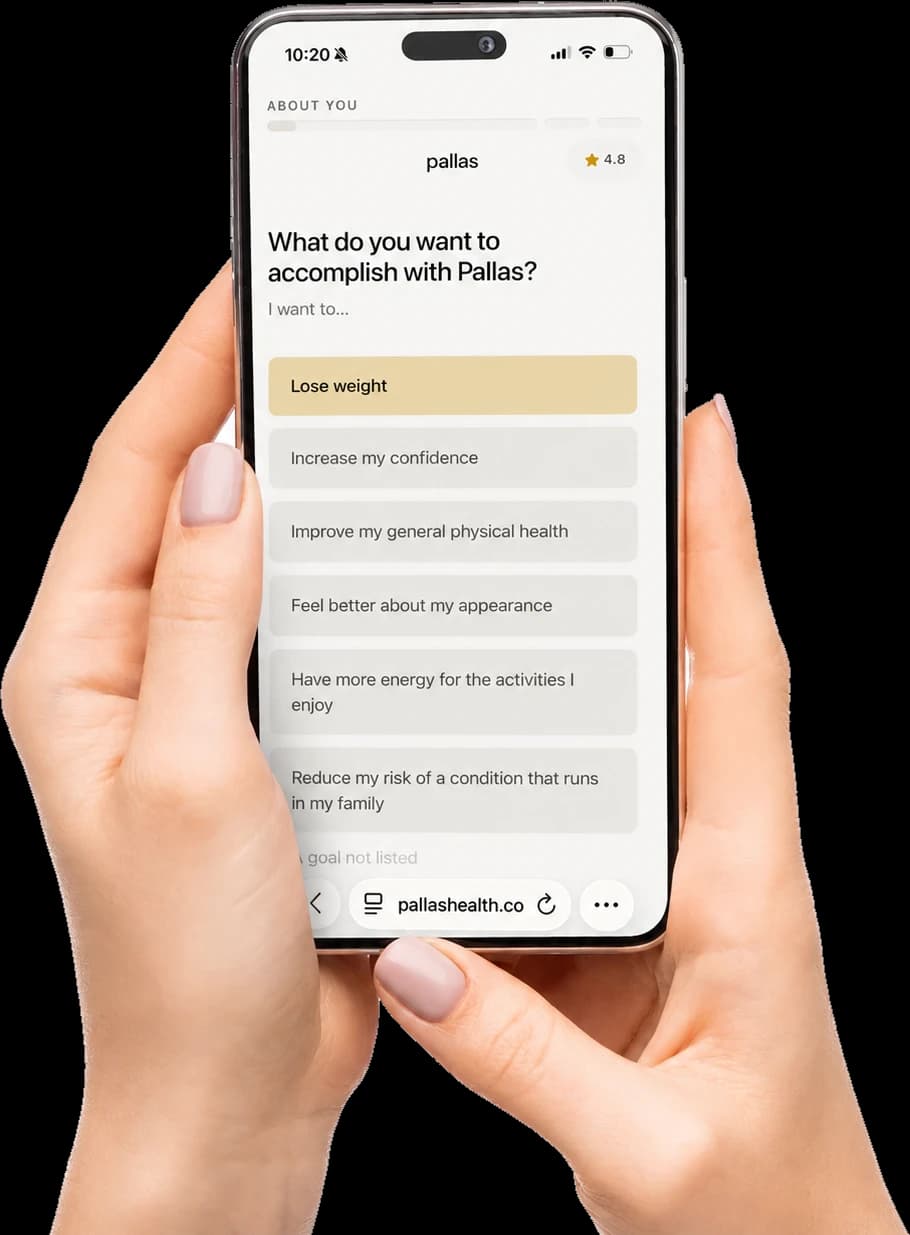
Answer a few questions about your health and goals — about two minutes. A licensed provider reviews everything 100% online.

Hormone therapy · For perimenopause and menopause
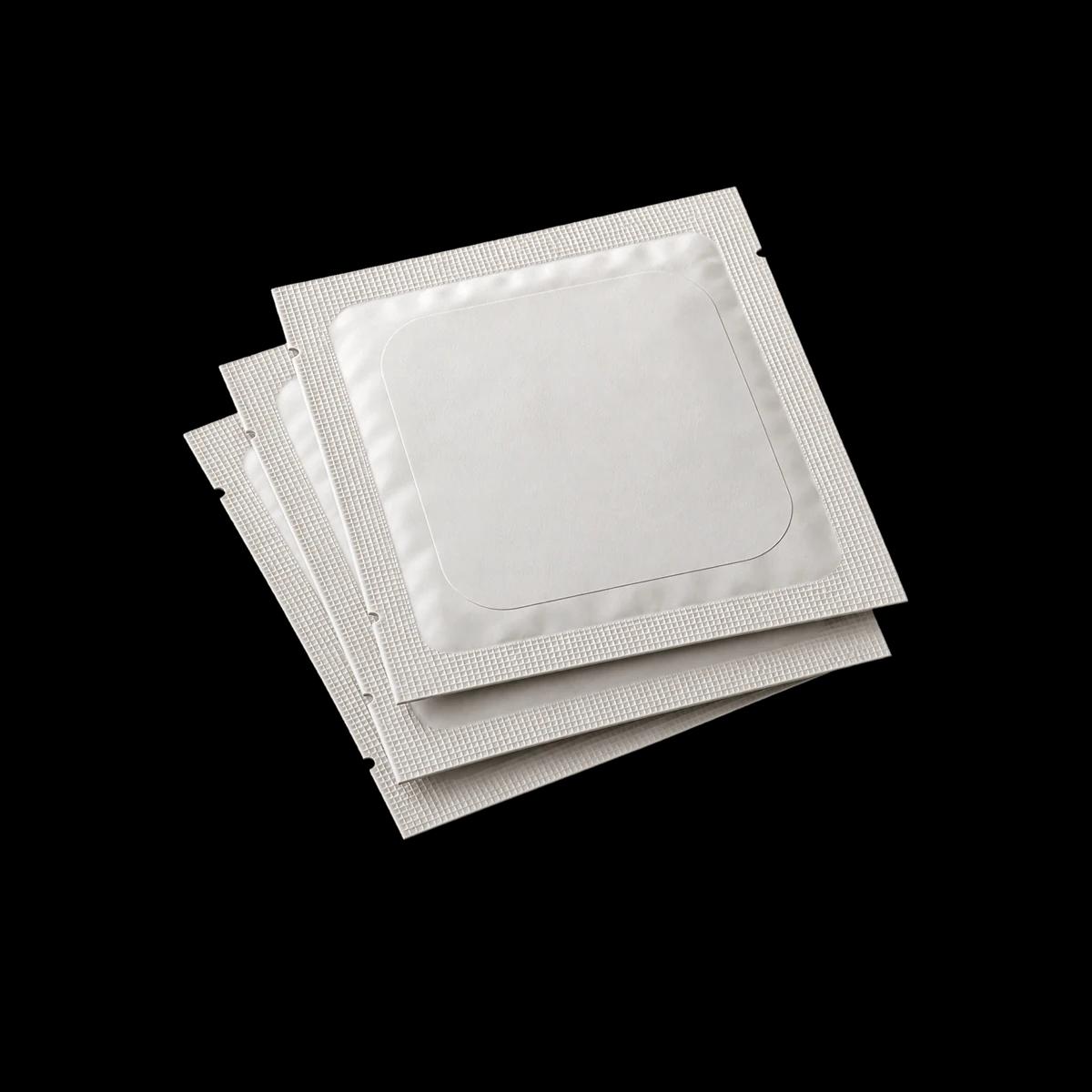
Prescribed to help manage menopause symptoms. Delivers estradiol, an estrogen, through the skin.
$180 per month
Estradiol is an estrogen, the hormone that declines through perimenopause and menopause. The patch is worn on the skin and delivers estradiol through it, in a strength your clinician chooses, and is prescribed to help manage hot flashes, night sweats and other menopause symptoms. For women who have a uterus it is usually prescribed with progesterone capsules, a second plan. One plan price covers your clinician, ongoing check-ins, care-team messaging, and your medication — a 12-week supply shipped free and discreet.
A prescription patch worn on the skin that delivers estradiol, an estrogen, prescribed to help manage menopause symptoms.
Nothing is charged until a clinician prescribes. Then $540 every 12 weeks until you cancel, or $649 with progesterone capsules.
Complete a short online intake. A US-licensed clinician reviews it and, if appropriate, prescribes a 12-week supply that ships to you.

What is the estradiol patch
Estradiol is an estrogen, the hormone the ovaries make less of through perimenopause and menopause. The patch is worn on the skin and delivers estradiol through it 1, prescribed to help manage hot flashes, night sweats and other menopause symptoms. For women who still have a uterus, estrogen is generally prescribed together with a progestogen to protect the uterine lining 1; at Pallas that is progesterone capsules 2, a second plan alongside the patch.
Hormone therapy has benefits and risks, and it isn't right for everyone.
Good to know
Estrogen is generally prescribed with a progestogen, which protects the uterine lining 1. With the patch, that is progesterone capsules, a second plan.
There is no uterine lining to protect, so the patch is usually prescribed on its own 1.
The patch goes on clean, dry skin on the lower abdomen and is changed on a schedule, usually twice a week 1.
What it's prescribed for

Hot flashes and night sweats — the symptoms estrogen therapy is most often prescribed to help manage.

Sleep and mood — the broken nights and mood swings that come with the transition.

Worn on the lower abdomen and changed on a schedule, usually twice a week.
Individual experiences vary.
Answer a few questions about your health and goals — about two minutes. A licensed provider reviews everything 100% online.
If eligible, your provider writes a prescription and medication ships free and discreet from a US-licensed pharmacy — often within a week.
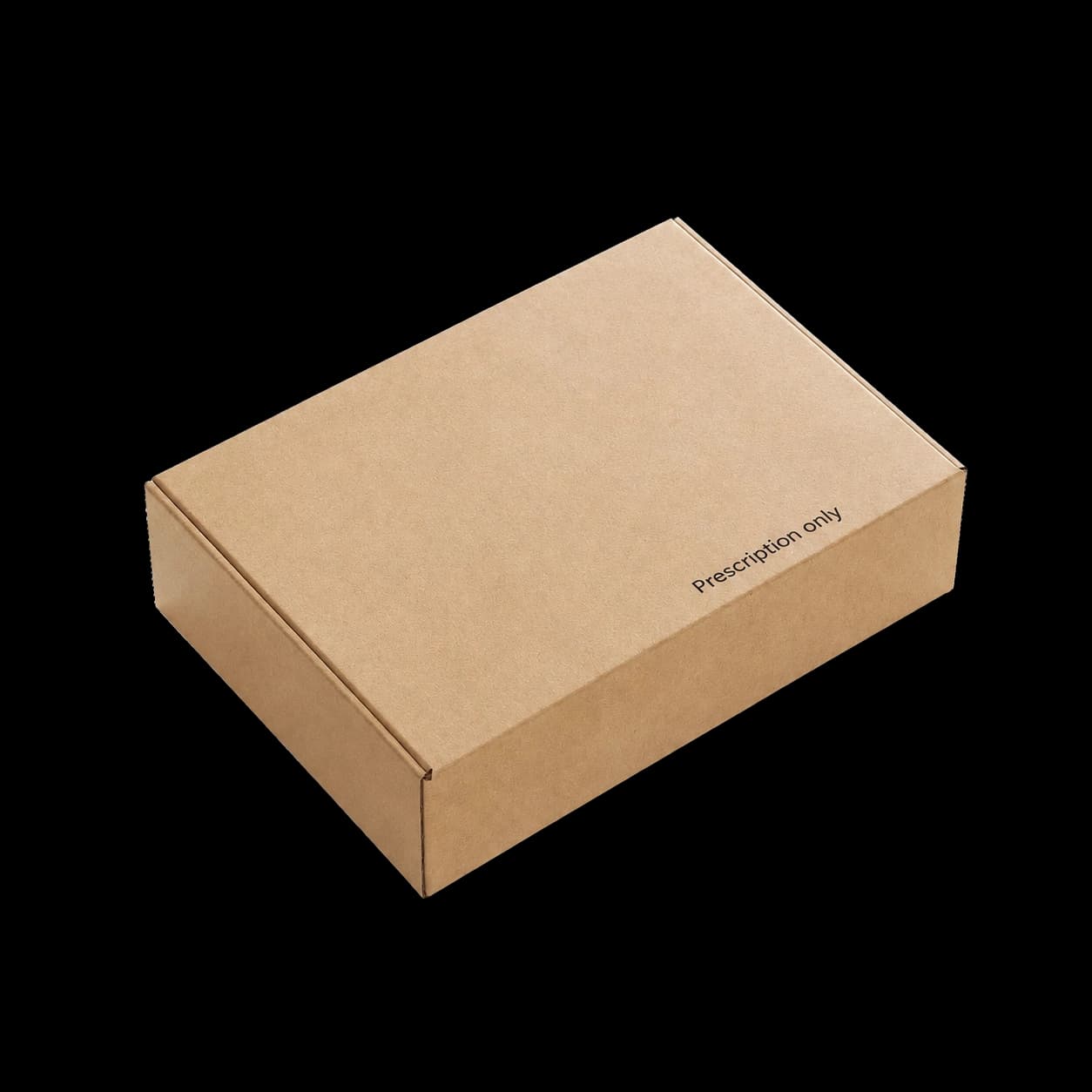
We stay with you the whole way, with regular check-ins and on-demand messaging with your care team.


Pharmacy & safety
Your medication is filled once it's prescribed, then shipped to your door as a 12-week supply.
A prescription patch worn on the skin that delivers estradiol, an estrogen, prescribed to help manage menopause symptoms.
Nothing is charged until a clinician prescribes. Then $540 every 12 weeks until you cancel, or $649 with progesterone capsules.
Complete a short online intake. A US-licensed clinician reviews it and, if appropriate, prescribes a 12-week supply that ships to you.
Usually, yes, if you have a uterus: estrogen alone can thicken the uterine lining, and progesterone protects it. The capsules are a second plan, prescribed alongside the patch.
Estrogen alone can thicken the uterine lining, which raises the risk of uterine cancer; progesterone is prescribed to lower it. After a hysterectomy there is no lining to protect, so estrogen alone is typical.
Yes. After a hysterectomy there is no uterine lining to protect, so the patch is usually prescribed on its own. Your clinician may still add progesterone, for example with a history of endometriosis.
It goes on clean, dry skin on the lower abdomen and is changed on a schedule, usually twice a week. Follow the directions on your prescription label; your care team is a message away.
Strengths run from 0.025 to 0.1 mg. Your clinician chooses the strength from your symptoms and history, and it can be changed at a check-in.
Estrogen's risks include blood clots, stroke and certain cancers. Taken alone by a woman with a uterus, it raises the risk of uterine cancer. A patch can also irritate the skin under it.
Women in perimenopause or menopause, including after a hysterectomy or surgical menopause, when a clinician decides hormone therapy is appropriate.
Not necessarily; the clinician decides based on your history. If you have recent hormone-related lab work, you can upload it from your Pallas portal after checkout so your clinician can review it.
A US-licensed pharmacy fills and ships it; the preparation is decided per prescription. Some forms, such as the Biest cream, are compounded, and compounded hormone preparations are not FDA-approved.
Hormone therapy by state
AlabamaAlaskaArizonaArkansasCaliforniaColoradoConnecticutDelawareFloridaGeorgiaHawaiiIdahoIllinoisIndianaIowaKansasKentuckyLouisianaMaineMarylandMassachusettsMichiganMinnesotaMississippiMissouriMontanaNebraskaNevadaNew HampshireNew JerseyNew MexicoNew YorkNorth CarolinaNorth DakotaOhioOklahomaOregonPennsylvaniaRhode IslandSouth CarolinaSouth DakotaTennesseeTexasUtahVermontVirginiaWashingtonWashington, DCWest VirginiaWisconsinWyoming
More forms
The patch is one of four forms: a Biest cream that includes progesterone, progesterone capsules, the estradiol patch and an estradiol vaginal cream. They share one intake, and your clinician decides which, if any, is appropriate.
See every formFrom our members
Feedback from Pallas members across our programs.
Quotes from Pallas members, shared with permission; names abbreviated for privacy. Testimonials reflect individual experiences — individual results vary.
$180 per month
The facts on this page about estradiol, how a patch is worn, and why a progestogen is prescribed with estrogen for women who have a uterus are from MedlinePlus's drug information for estradiol transdermal and for progesterone. Nothing on this page is a promise of a result. Cash-pay only; not billed to insurance.